Faculty Research Interests
The College of Sciences fully supports the research interests of its faculty. Through research, scholarship, and grants faculty members continue their research and discovery. It’s these continued pursuits that build the body of knowledge for science and quality, diverse educational opportunities for students.
The College of Sciences offers students a scientific education to meet the needs of the 21st century, allowing them to compete for a variety of careers in an increasingly complex and evolving world.
Department Faculty Research Interests
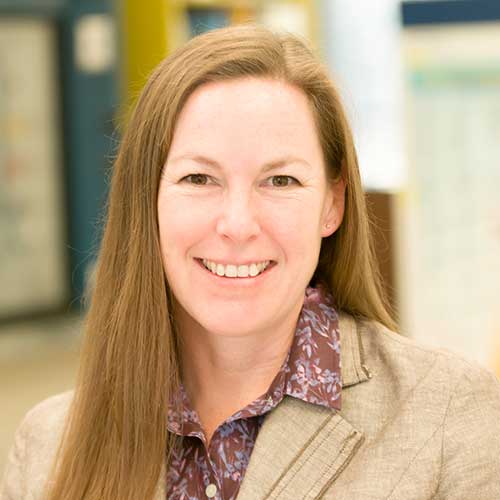
Chelsea Ward
Professor/Head | College of Sciences
Ph.D. (2005) Auburn University in Biology
BS (1998) Florida Institute of Technology in Marine Biology
Dr. Ward’s research focuses are on immunology and stress physiology as it relates to temperature and changing environments. She also has interested in latitudinal gradients in stress physiology, immunology, and metabolism in Anurans.
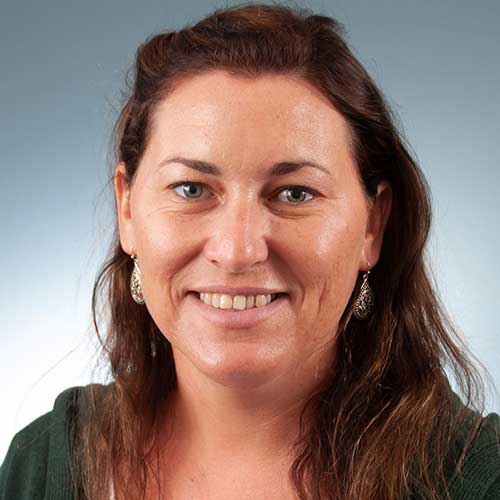
Maria Florencia Breitman
Assistant Professor | College of Sciences
Dr. Breitman research is focused on (1) exploring the biodiversity and urban ecology of reptiles and amphibians in urban forests under different management treatments, (2) next-generation teaching: designing and implementing scientifically based teaching and peer-mentoring approaches for different class/lab settings, and (3) providing AUM undergraduate students with authentic research experiences tailored to their career goals (including octopuses biomechanics, human dental research, collection management, and more!). Dr. Breitman and other amazing collaborators @ AUM have developed Flight School, which is a very successful mentoring program that increases the skills of students by supporting and training mentors and faculty. Dr. Breitman welcomes and celebrates everyone’s ideas! If you are interested in research and/or mentoring, please reach out to Dr. Breitman!
Webpage https://breitmanlab.com/
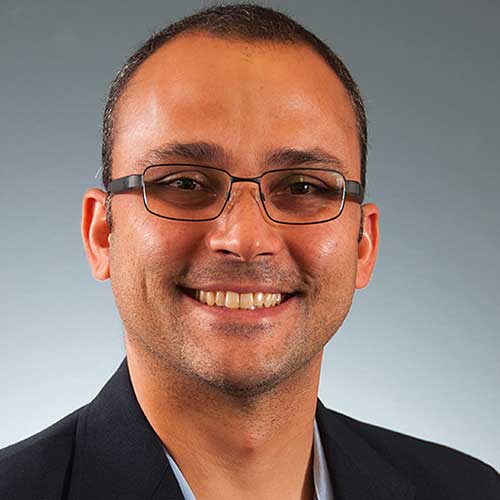
Gabriel Costa
Professor | College of Sciences
Dr. Gabe Costa is an Assistant Professor of Biology and Environmental Sciences, and Coordinator of Environmental Sciences and GIS at AUM. His research is mainly focused in understanding the ecological and evolutionary drivers of variation in Biodiversity across the globe. Dr. Costa has worked with different groups of organisms such as amphibians, reptiles and mammals disentangling the roles of abiotic, biotic and evolutionary factors in explaining diversity patterns from local to global scales. Dr. Costa is also interested in using his findings to create instrumental knowledge that can support conservation decisions. By understanding what factors influence how biodiversity changes across space we might be able to quantify, predict, mitigate and possibly manage the growing negative impacts caused by human activities. Dr. Costa teaches Biostatistics, Species Distribution Modeling, Landscape Ecology, and Biogeography and Macroecology. His classes usually have a strong focus on analytical skills including learning to work in the R environment, GIS and spatial analysis. Dr. Costa research has reached a broad audience with over 60 peer reviewed articles published that collectively have been cited more than 2,400 times (Scholar page) (Lab page)

Nicholas Cuba
Associate Professor
Nicholas Cuba
Associate Professor | College of Sciences

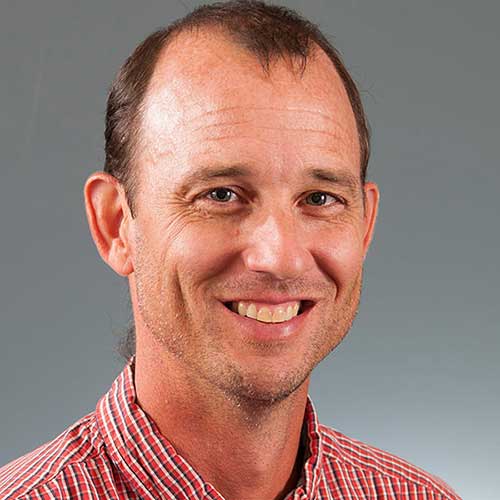
Hoe Hun Ha
Professor | College of Sciences
Ph.D. State University of New York at Buffalo (2011)
M.A. State University of New York at Buffalo (2007)
B.S. Utah State University (2003)
Dr. Hoehun Ha is Associate Professor of Geography specializing in Geographic Information System (GIS). His primary research interests focus on the linkages between socio-physical environment and human interactions, using GIS and statistical methodologies. His research includes 1) the spatial modeling of chemical exposure and risk assessment, and the investigation of soil contamination with toxic substances in Anniston, Alabama. He also has worked on 2) conservation easement suitability modeling : a case study from South-East Michigan and 3) roadkill hot-spots modeling using a geographic socio-environmental niche-based approach: a case-study from 3 state highways in Central California. Furthermore, in his current research, he has developed 4) spatial models in public health – physical / socioeconomic based approach; a case study from U.S counties.
His teaching interests cover a wide range of geography courses including: Introduction to GIS, Advanced GIS, GIS in Environmental Modeling & Management, GIS in Public Health, Cartography, Geography of World Region, Human Geography, Spatial Statistics, and Earth Systems Science.
Dr. Ha’s publications have appeared in numerous internationally reputable scholarly journals including: Environmental Science & Technology, Computers, Environment and Urban Systems, Transportation, Applied Geography, Ecological Informatics, High Altitude Medicine & Biology, International Journal of Environmental Health Research, and International Journal of Environmental Research and Public Health. He is a member of Association of American Geographers (AAG) and Applied Geography Conference (AGC). (Scholar page)

Pryce Haddix
Associate Professor | College of Sciences
Ph.D. Microbiology, May 1992, University of Kentucky
B.A. Biology with chemistry emphasis, May 1985, Transylvania University, Lexington, KY
Dr. Haddix is an Associate Professor in the Biology Department in the School of Sciences. He has a broad background in microbiology and molecular biology. His research interests are in the biological functions of bacterial pigments and the use of bacteria as biological sensors for the detection of environmental contaminants.
Dr. Haddix’s primary research interest involves identifying and characterizing the biological function of a red pigment made by the soil bacterium and opportunistic bacterial pathogen Serratia marcescens. His early work on this project built a circumstantial case for a negative role for prodigiosin pigment in cellular energy production during high-rate cell multiplication when cellular energy levels begin at their maximum (PubMed ID # 18805986). More recent work has revealed that the pigment has a positive function in cellular energy production when cellular energy levels are low; this positive function ultimately produces a doubling of pigmented cell yield over that of non-pigmented cells (PMID # 29616306). His most recent work has more clearly defined the negative role, and a manuscript describing these results is due to be submitted for publication in spring, 2019. Ongoing experimental work will more closely address the positive function and build a model for prodigiosin pigment in the cellular energy fluxes associated with Serratia marcescens population growth.


Ben Okeke
Professor | College of Sciences
Ph.D. (1994): University of Strathclyde, Glasgow, Scotland
M.S. (1989): University of Strathclyde, Glasgow, Scotland
B.S. (1985): University of Nigeria, Nsukka, Nigeria
Professor Okeke is a Distinguished Research Professor of Industrial and Environmental Microbiology in the Department of Biology and Environmental Science. His research interests include: biofuel and co-products, biosensors, bioremediation, enzyme biotechnology, effects of pollutants on microbial communities, indicators of microbiological safety of water and food, and genetic engineering of microbes. He teaches industrial microbiology, environmental microbiology, special topics biotechnology, general microbiology and directed research. Professor Okeke did postdoctoral work at the University of California, Riverside; Gifu University, Japan; and the International Center for Genetic Engineering and Biotechnology, Trieste, Italy. Dr. Okeke has 60 research papers in peer reviewed journals, three US patents, two books, numerous conference abstracts and several research grants including a million dollar grant for research on fuel ethanol from biomass. His excellence awards include Alumni Professor, Ida Belle Young Endowed Professorship. He is the founding Director of the Bioprocessing and Biofuel Research Lab (BBRL). Dr. Okeke served as Associate and Assistant Editor for two peer reviewed international journals; the Journal of Environmental Quality and Applied Biochemistry and Biotechnology.

Claudia Stein
Associate Professor | College of Sciences
PhD, Biology, University of Potsdam & Helmholtz Centre for Environmental Research, Germany, 2008
Diploma Biology (chemical ecology, botany), Freie Universität Berlin, Germany, 2003
Dr. Stein is Assistant Professor in Biology and Environmental Sciences specializing in plant ecology. She is broadly interested in understanding the patterns, causes and consequences of plant diversity. Her main research focusses on the mechanisms by which species interactions, such as plant-soil microbial feedbacks and plant-herbivore interactions, affect species diversity, biological invasions, and ecosystem functioning under climate change. The motivation of her work is to develop management solutions to successful restoration and conservation and to mitigate the effects of climate change. She works in a variety of systems, including grasslands, working rangelands, and woodlands.
Her recent publications include journal articles in Ecology, Journal of Ecology, Oecologia, Plant and Soil, Mycorrhiza, and Ecology and Evolution. She is a member of the Ecological Society of America (ESA) and Ecological Society of Germany, Austria and Switzerland (GfÖ).



Nicholas Cuba
Associate Professor
Nicholas Cuba
Associate Professor | College of Sciences




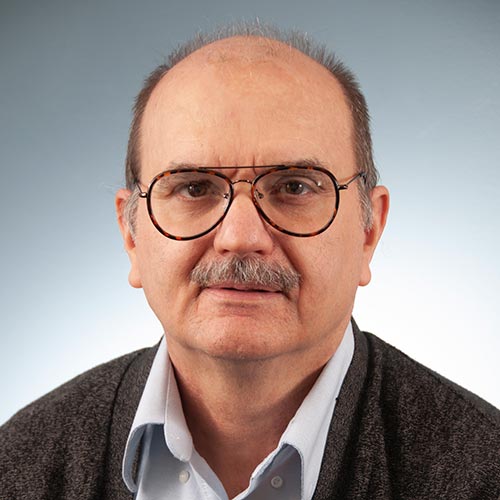
Robert Underwood
Professor | College of Sciences
Ph.D. Mathematics (1992), State University of New York at Albany
M.S. Mathematics Education (1986), State University of New York at Albany
Robert Underwood is a Professor in the Department of Mathematics in the School of School of Sciences. His research interests concern the classification of Hopf algebra orders in group rings and the application of Hopf orders to Galois module theory and the theory of formal groups.


Dr. Mosisa Aga | Time series analysis, bootstrap approximation methods, and Gaussian long memory processes.
Dr. Yue Chen | Electromagnetic wave propagation in metamaterials, homogenization theory of partial differential equations, inverse problem, stability analysis of crystal growth, mathematical materials science, solid mechanics.
Dr. Tianran Chen | Numerical analysis, scientific computing, application of numerical methods in physics and chemistry, systems of polynomial equations, homotopy continuation methods, numerical algebraic geometry.
Dr. Jerome Goddard II | Applied mathematics, reaction diffusion equations and nonlinear elliptic boundary value problems arising from population dynamics and combustion theory.
Dr. Enoch Lee | Rings, modules, near-rings, semigroups, universal algebra, radical theory, number theory, cryptology, coding theory.
Dr. Luke Smith | Math Education
Dr. Yi Wang | Machine learning, optimization, Numerical methods
Dr. Robert Underwood |Classification of Hopf algebra orders in group rings and application of Hopf orders to Galois module theory and the theory of formal groups.

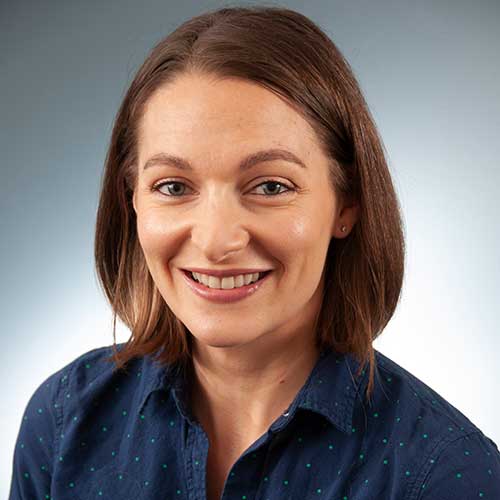

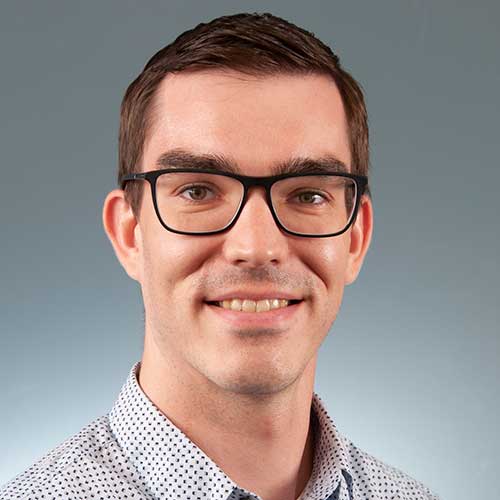


Steven Lobello
Professor | College of Sciences
BA, Christian Brothers College, Psychology
MS, Mississippi State University, Clinical Psychology
PhD, University of Southern Mississippi, Counseling Psychology
MSPH, University of Alabama in Birmingham, Epidemiology Education
Bio: Steven LoBello completed his PhD in counseling psychology at the University of Southern Mississippi in 1986. He began his career as a psychologist in clinical practice, specializing in psychological assessment of clinical cases requiring intellectual assessment. He is a licensed psychologist in Alabama. He joined the AUM Psychology faculty in 1989. His initial research program involved statistical issues in I.Q. tests and best practices in teaching test administration and scoring to graduate students.
In 1998, he returned to graduate school at the University of Alabama in Birmingham. Attending classes on a part time basis, he earned a master’s degree in epidemiology in 2003. While at UAB, he was fortunate to become affiliated with the Injury Control Research Center as a Senior Scientist, and was principle investigator of a longitudinal study of rehabilitation outcomes. This project was planned and initiated by others many years earlier, and was brought to completion during this grant period. The project was a study of outcomes among individuals with spinal cord, head, and multiple trauma, as well as severe burns. The project was funded by the US Department of Health and Human Services Centers for Disease Control and Prevention, National Center for Injury Prevention and Control.
Dr. LoBello has an active research lab with graduate students who have a broad range of heath behavior interests. Research topics have included studies of quality of life among people with asthma who use alternative and conventional medicines, influenza vaccination among people with asthma, prevalence of depression among pregnant women, and the relationship of depression to chronic illness. In his research program, Dr. LoBello frequently uses the Behavioral Risk Factor Surveillance System data sets. He is a student of using population-based health survey data and epidemiological methods to investigate health behavior research problems.

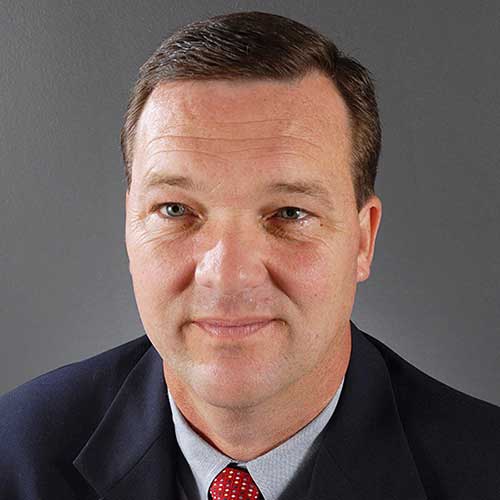
Glen Ray
Professor | College of Sciences
B.S., Arkansas State University
M.S., Memphis State University
Ph.D., The University of Memphis

Moses Rivera
Assistant Professor | College of Sciences
Dr. Moses Rivera is an Assistant Professor in the Psychology Department, College of Sciences.
His research focuses on enhancing the effectiveness of cross-domain teams—especially teams of knowledge-workers—by leveraging the empirical science of industrial, work, and organizational (IWO) psychology.
Dr. Rivera teaches several courses at the undergraduate and graduate levels, including courses in AUM’s Industrial–Organizational track of the Master of Science in Psychology program. Noteworthy courses include: research methods, statistics, and professional ethics of psychologists.

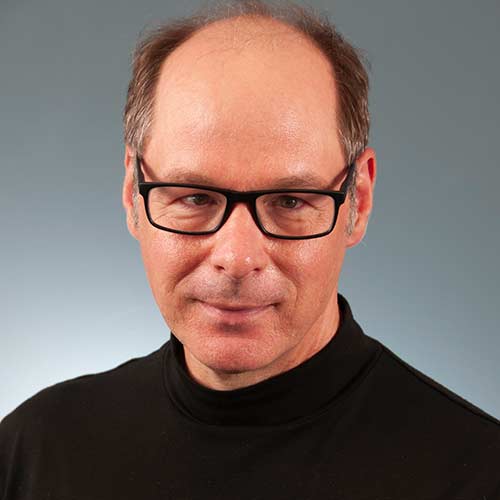

Haewon An
Lecturer
B.S. (2007) Chemistry, University of Houston
Ph.D. (2012) Biochemistry, University of Houston
Postdoctoral (2012-2016), The Scripps Research Institute, Florida
Office: Science and Technology Complex, 1086
Phone: 334-394-5219
Email: [email protected]
During her Ph.D. Dr. An’s research focused on elucidating the essential roles of several residues in Vibrio harveyi FRP activity. She further tried to determine the roles of Phospholipase D (PLD) in the anesthetic effect of living organisms during her postdoctoral experience at Scripps Research Institute in Florida.
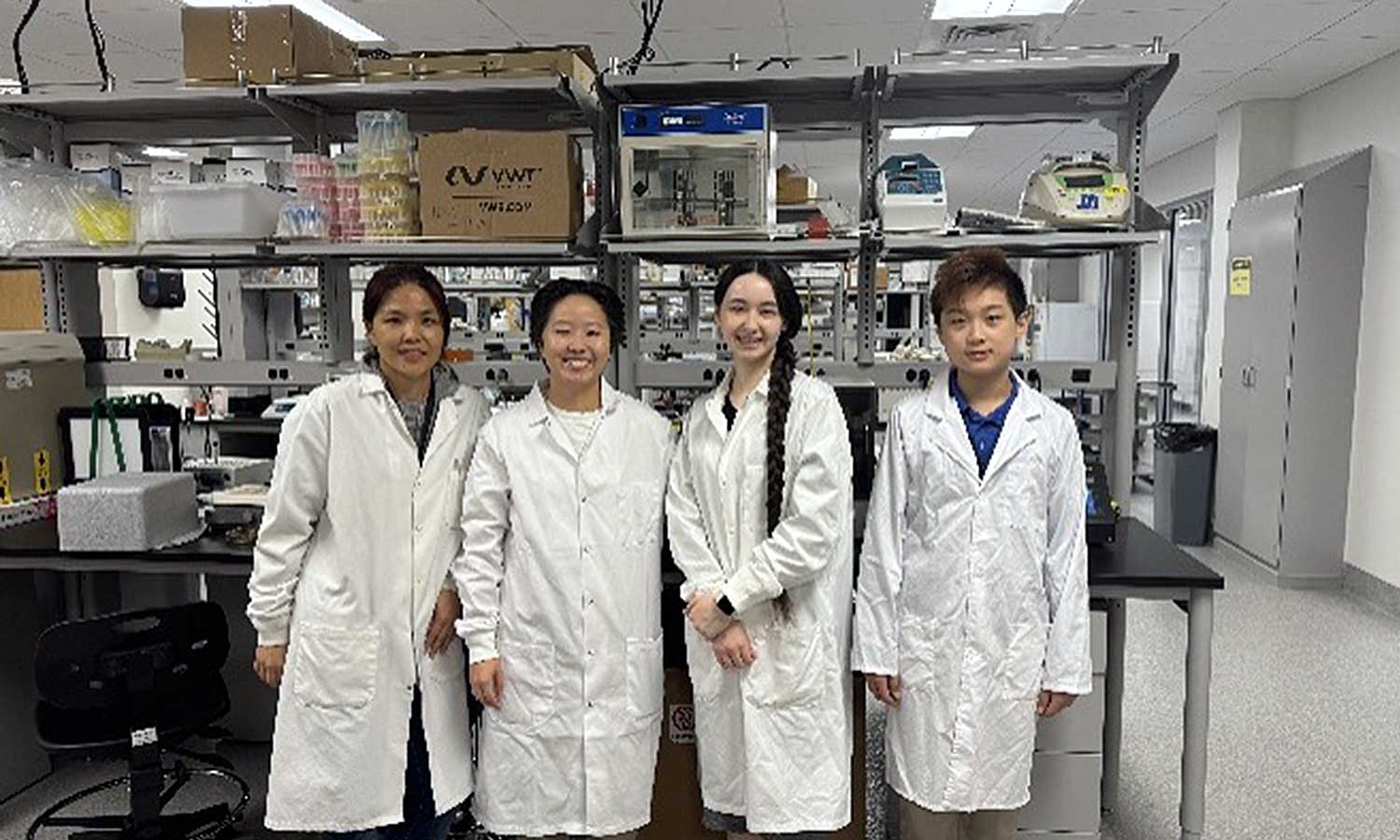 Her team examines how Infectious Hematopoietic Necrosis Virus (IHNV) evades host antiviral immunity, with a focus on the viral matrix (M) protein. IHNV M suppresses innate immune responses by inhibiting host RNA polymerase II and blocking cellular gene expression, including type I interferon signaling.
The researchers in her group identified key structural determinants regulating M protein stability. N-terminal deletions (Δ5N, Δ10N) reduce protein stability, while ubiquitination of three C-terminal lysines (K190, K193, K195) contributes to this instability. Mutation of these lysines restores stability, revealing functional interplay between the N- and C-termini.
Building on these findings, this group is generating attenuated recombinant IHNV strains carrying defined M mutations to evaluate their effects on viral replication and immune suppression. This work advances understanding of rhabdoviral immune evasion and supports rational design of attenuated viral strains for aquaculture applications.
Publications
- Pavel, M., Chung, H., Petersen, N., Hansen, S. Polymodal Mechanism for TWIK-Related K+ Channel Inhibition by Local Anesthetic. Anesthesia and Analgesia, 2019, 129 (4) 973-982.
- Chung, H., Petersen, N., Cabanos, C., Murphy, K., Pavel, M, Hansen, A., Ja, W., Hansen, S. A Molecular Target for an Alcohol Chain-Length Cutoff. Journal of Molecular Biology, 2019, 431 (2) 196-209.
- Petersen, N., Chung, H., Nayebosadri, A, Hansen, S. Kinetic Disruption of Lipid Rafts is a Mechanosensor for Phospholipase D. Nature Communications, 2016, 7 (13873).
- Chung, H., Tu, S.-C. Structure-Function Relationship of Vibrio harveyi NADPH-Flavin Oxidoreductase FRP: Essential Residues Lys167 and Arg15 for NADPH Binding. Biochemistry 2012, 51 (24) 4880-4887.
- Kim, J., Park, J., Chung, H., Boote, B., Lee, T. Palladium nanoshells coated with self-assembled monolayers and their catalytic properties. RSC Adv. 2012, 2 3968-3977
- Kim, J., Bryan, W., Chung, H., Park, C., Jacobson. A., Lee, T.R. Gold, Palladium, and Gold-Palladium Alloy Nanoshells on Silica Nanoparticle Cores. ACS Appl. Mater. Interfaces. 2009, 1 (5) 1063-1069
- Kim, J., Chung, H., Lee, T.R. Preparation and Characterization of Palladium Shells with Gold and Silica Cores. Chem. Mater. 2006, 18 4115-4120.

Steve Arnold
Assistant Professor
B.S. (1985) Chemistry, Louisiana State University
Ph.D. (1990) Chemistry, Louisiana State University
Postdoctoral (1990-1003) Tulane University
Office: Science and Technology Complex, 1068
Phone: 334-244-3328
Email: [email protected]
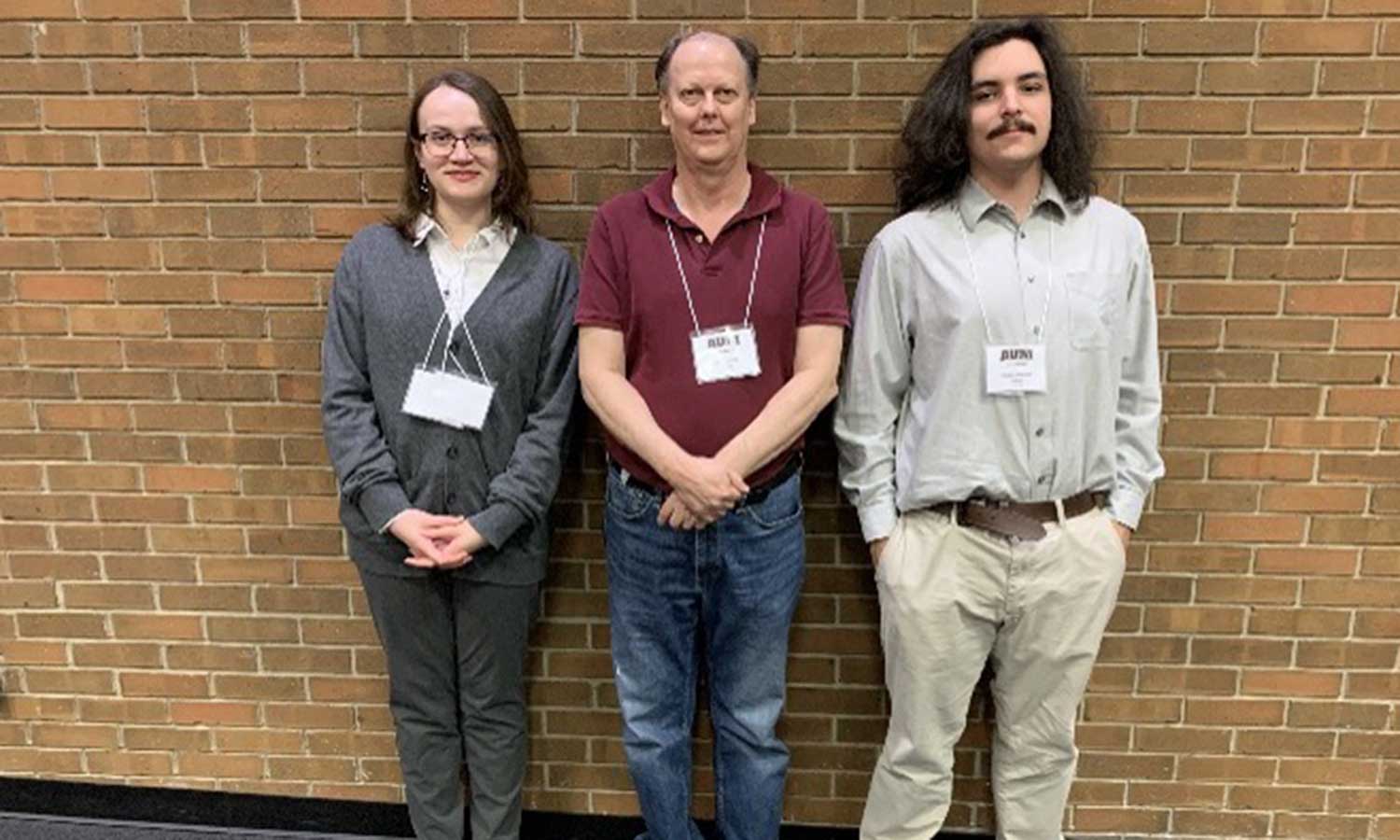
Dr. Arnold’s research interests lie in computational studies on the structure and properties of organic compounds. He also has an in-dept understanding of the relationship between organic chemical properties and UV-visible absorption, emission spectroscopy, and fluorescence spectroscopy.
He notices that the Copper complexes with nitrogen-containing ligands may show antimicrobial activities. His recent interest focuses on the synthesis of copper complexes with a variety of benzoyl acetone compounds with an amine functionality. The copper complexes are analyzed with NMR, IR, and other analytical instrumentation. The biological properties of copper complexes are assessed by biological testing through the collaborative work.
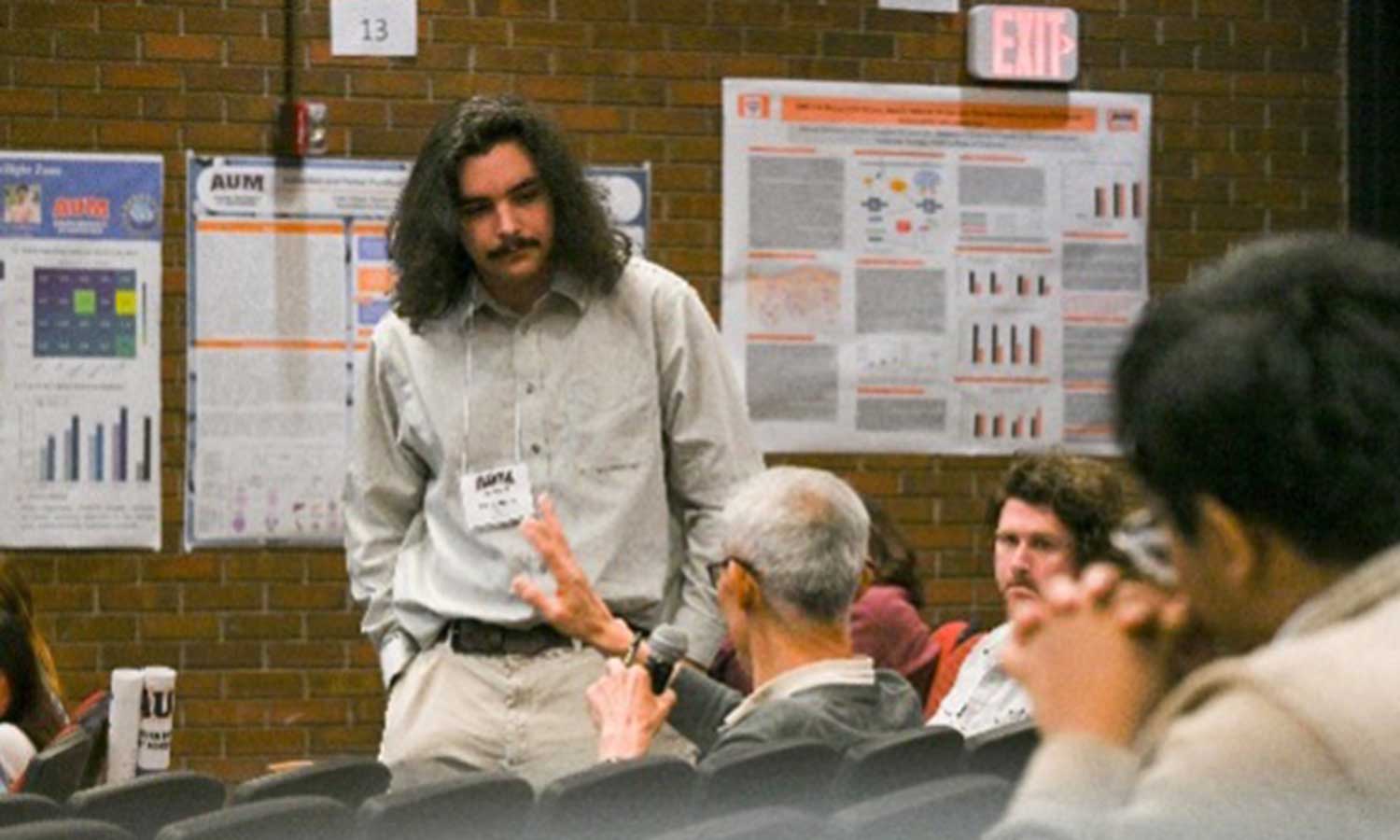
His students have been presenting their results in undergraduate research symposiums. Dr. Arnold publishes, helps students to present, and prepares for papers for publication.
Publications
- Arnold, S., John Bacsa, J., Jelsch, C., Thomas, N.C. Synthesis, Crystal Structure, Spectral Properties, and Charge Density Analysis of 4-Coordinate Bis[1-(4-N,Ndimethylaminophenyl)-1,3-butadionato-O,O’]copper(II). Chim. Acta. 2025, 587, 122824.
- Huang, Y., Arnold, S., Sulkes, M. Spectroscopy and Fluorescence Lifetimes of Jet-Cooled 7-Azaindole: Electronic States and Solvent Complex Geometry. Phys. Chem. 1996, 100, 4734.
- Arnold, S.; Tong, L.; Sulkes, M. Fluorescence Lifetimes of Substituted Indoles in Solution and in Free Jets: Evidence For Intramolecular Charge-Transfer Quenching. J. Phys. Chem. 1994, 98, 2325.
- Huang, Y.; Arnold, S.; Sulkes, M. Fluorescence Lifetimes of Jet-Cooled Tryptophan: Elimination of Complications From 1La Proc. SPIE- The International Society for Optical Engineering 1994, 2137, 372.
- Arnold, S.; Sulkes, M. Spectroscopy of Solvent Complexes with Indoles: Induction of 1La – 1Lb State Coupling. J. Phys. Chem. 1992, 96, 4768.
- Arnold, S.; Sulkes, M., Fluorescence Lifetimes of Jet-Cooled Carbonyl-Substituted Indoles. Evidence of Intramolecular Charge Transfer Quenching. Chemical Physics Lett. 1992, 200, 125.
- Sulkes, M.; Arnold, S. Direct Measurements of Fluorescence Decays of Selected Conformers of Tryptophan Derivatives. SPIE- The International Society for Optical Engineering 1992, 1640, 20
- Sulkes, M.; Arnold, S.; Sipior, J.; Teh, C. K. Fluorescence Lifetimes in Conformers of Jet Cooled Tryptophan Derivatives. Trends in Physical Chemistry 1992, 3, 267

John Hutchison
Associate Professor
B.S. (2000) Chemistry, University of Southern Indiana
Ph.D. (2007) Chemistry, University of Arkansas
Postdoctoral (2007-2008) University of Hawaii
Postdoctoral (2009-2010) University of Arkansas
Office: Science and Technology Complex, 1066
Phone: 334-244-3522
Email: [email protected]
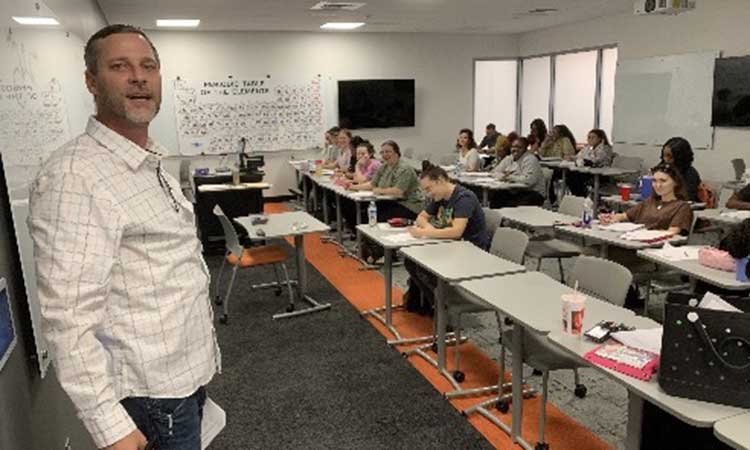 Dr. Hutchison’s area of expertise is synthetic organic chemistry. His area of expertise is Synthetic Organic Chemistry. His research interests lie in the synthesis of structurally interesting and/or biologically active organic molecules. Graduate and post-doctoral work involved the development of synthetic strategies towards the synthesis of eupomatilone-6, sclerophytin A, cladiell-11-ene-3,6,7-triol, antascomicin B, organometallic Ni and Pd-complexes, and CdSe nanoparticles. While at AUM, his undergraduate research students have completed the total syntheses of three natural products: gymnoascolide A, eutypoid A, and microperfuranone. Current undergraduate research projects involve short syntheses of biologically active natural products and structure-activity studies of antibacterial C-4 and C-5 substituted butenolides. Dr. Hutchison enjoys working with AUM students in both the classroom and laboratory. He is a good research mentor, and he is an outstanding life guide for students.
Publications
- Parker, A. N.; Lock, M. J.; Hutchison, J. M. Synthesis of 4-Benzyl-3-Phenylbutenolide Natural Products. Tetrahedron Lett. 2013, 54, 5322-5324.
- Hutchison, J. M.; Williams, D.; Gibson, A.; McIntosh, M. C. Synthesis of the C22-C34 Fragment of Antascomicin B. Tetrahedron Lett. 2011, 52, 6349-6351.
- Kieltsch, I.; Dubinina, G. G.; Hamacher, C.; Kaiser, A.; Torres-Nieto, J.; Hutchison, J. M.; Klein, A.; Budnikova, Y.; Vicic, D. A. Magnitudes of Electron-Withdrawing Effects of the Trifluoromethyl Ligand in Organometallic Complexes of Copper and Nickel. Organometallics 2010, 29, 1451-1456.
- Hutchison, J. M.; Lindsay, H. A.; Dormi, S. S.; Jones, G., D.; Vicic, D. A.; McIntosh, M. C. Approach to the Synthesis of Cladiell-11-ene-3,6,7-triol. Org. Lett. 2006, 8, 3663-3665.
- McFarland, C.; Hutchison, J.; McIntosh, M. C. Unprecedented Alkene Stereocontrol in the Claisen Rearrangement of Cyclic Bis-Allylic Esters. Org. Lett. 2005, 7, 3641-3644.
- Hutchison, J. M.; Hong, S-P.; McIntosh, M. C. An Ireland-Claisen Approach to Lignan: Synthesis of the Putative Structure of 5-epi-Eupomatilone-6. J. Org. Chem. 2004, 69, 4185-4191.

Quratulann Ijaz
Lecturer
B.S. (1999) Mathematics and Physics, University of the Punjab, Pakistan
Ph.D. (2011) Engineering Physics, Mississippi State University
Office: Goodwyn Hall, 309N
Phone: 334-244-5302
Email: [email protected]
Dr. Ijaz’s research lies in nuclear structure Physics; a Performed experiment in Argonne National Laboratory, Off-line data analysis of gamma-ray spectra for both Super-deformed and normally deformed nuclei, and mechanisms of nuclear behavior at high spin states.
Publications
- C. Ma, J. C. Marsh, Q. A. Ijaz, R. V. F. Janssens, M. P. Carpenter, C. R. Hoffman, T. Lauritsen, S. Zhu, F. G. Kondev, G. Gürdal, G. B. Hagemann, D. J. Hartley, L. L. Multiple excitation modes in Hf163, R. B. Yadav, Riedinger, and S. Mukhopadhyay.Phys. Rev. C 2014, 90, 054325.
- C. Marsh, W. C. Ma, G. B. Hagemann, R. V. F. Janssens, R. Bengtsson, H. Ryde, M. P. Carpenter, G. Gürdal, D. J. Hartley, C. R. Hoffman, Q. A. Ijaz, F. G. Kondev, T. Lauritsen, S. Mukhopadhyay, L. L. Riedinger, R. B. Yadav, and S. Zhu, Identification of triaxial strongly deformed bands in164 Hf. Phys. Rev. C 2013, 88, 041306(R).
- A. Ijaz, W.C. Ma, H. Abusara, A.V. Afanasjev, Y.B. Xu, R.B. Yadav, Y.C. Zhang, M.P. Carpenter, R.V.F. Janssens, T.L. Khoo, T. Lauritsen, D.T. Nisius, Exited superdeformed bands in 154Dy and cranked relativistic Mean field calculation. Physical Review C 2009, 80, 034322.
- C. Zhang, Q. A. Ijaz, W. C. Ma, High-spin proton alignments and evidence for a second band with enhanced deformation in 171Hf. Phys. Rev. C 2012, 85, 064307.
- C. Marsh, W. C. Ma, G. B. Hagemann, R. V. F. Janssens, R. Bengtsson, H. Ryde, M. P. Carpenter, G. Gürdal, D. J. Hartley, C. R. Hoffman, Q. A. Ijaz, Identification of triaxial strongly deformed bands in 164Hf. Phys. Rev. C Rapid Communication 2013, 88, 041306.
Daniel Kim
Professor & Chair
B.S. (1985) Chemistry, Yonsei University, Korea
Ph.D. (2003) Chemistry, Florida International University
Postdoctoral (2003-2004) University of Houston
Postdoctoral (2004-2006) University of Texas at Austin
Senior Researcher (1995-1999) Central Research Institute of Samsung Heavy Industries, Korea
Senior Researcher (1987-1995) Korea Institute of Geoscience & Mineral Research, Korea
Office: Science and Technology Complex, 1062
Phone: 334-244-3329
Email: [email protected]
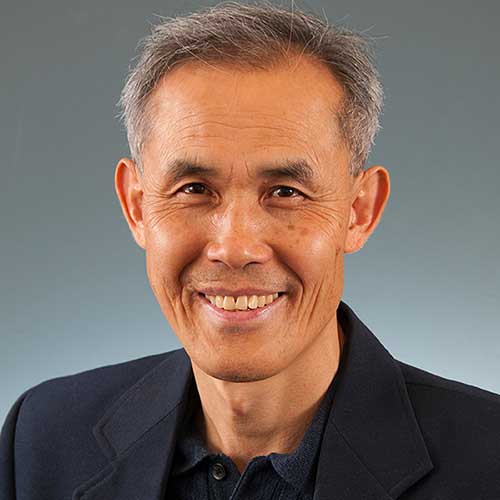
 Dr. Kim is an organic Chemist. He has a very wide research spectrum of nuclear chemistry, environmental remediation of polluted water with advanced oxidation technologies, syntheses of unusual organic compounds, and low-temperature synthesis of metal-organic frameworks under high-power ultrasonic irradiation. He enjoys speaking with students who have a curiosity in natural phenomena and man-made applications of sciences in many areas of the field industries. His current research interests lie in using ultrasound to accelerate slow chemical reactions in low temperature conditions, and remove resistant pollutants in polluted water. The results have been continuously published.
He recently applied ultrasound to an aqueous system to generate reactive oxygen species (ROS), which simulate species generated by human mitochondria during oxidative phosphorylation and play dual roles in physiological and pathological processes. The disappearance levels of such ROS in aqueous beverages with natural antioxidants have been assessed. Recommendation of healthy beverages based on antioxidant level was a good practice. His students presented the results at different research symposia to provide healthy recommendations for commercial beverages.
Publications
- Chun, D. Lim, C.-R. Lee, H.-S. Yoon, W.-S. Lee, T.-K. Kim, D.K. Electrochemical treatment of urine by using Ti/IrO2/TiO2 Journal of Water Process Engineering, 2018, 26, 1-9.
- Kim, D.K. He, Y. Jeon, J. O’Shea, K.E. Irradiation of ultrasound to 5-methylbenzotriazole in aqueous phase: degradation kinetics and mechanisms. Sonochem. 2016, 31, 227-236.
- Israr, F. Chun, D. Kim, Y. Kim, D.K. High yield synthesis of Ni-BTC metal-organic framework with ultrasonic irradiation: role of polar aprotic DMF solvent. Sonochem. 2016, 31, 93-101.
- Israr, F. Kim, D.K. Kim, Y. Oh, S.J. Ng, K.C. Chun, W. Synthesis of porous Cu-BTC with ultrasonic treatment: effects of ultrasonic power and solvent condition. Sonochem. 2016, 29, 186-193.
- Kim, D.K., O’Shea, K.E., Cooper, W.J. Oxidative Degradation of Alternative Gasoline Oxygenates in Aqueous Solution by Ultrasonic Irradiation: Mechanistic Study Total Environ. 2012, 430, 246-259.
- Kim, D.K., O’Shea, K.E., Cooper, W.J., Mechanistic considerations for the degradation of methyl tert-butyl ether (MTBE) by sonolysis: Effect of argon vs. oxygen saturated solutions. Sonochem. 2012, 19, 959-968.
- Kim, D.K., O’Shea, K. E., Reaction of tetracyclopropylethylene with 4-methyl-1,2,4-triazoline-3,5-dione. Formation of unusual meso-ionic product and its rearrangement to the diazetidine. Am. Chem. Soc. 2004, 126, 700-701.
- Kim, D. K., O’Shea, K. E.; Cooper, W. J. Degradation of MTBE and related gasoline oxygenates in aqueous media by ultrasound irradiation. Environ. Eng. – ASCE., 2002, 128(9), 806-812.
- Ponomarev, A. V., Bludenko, A. V., Makarov, Igor E., Pikaev, A. K.; Kim, D. K., Kim, Y., Han, B. Combined electron-beam and Adsorption purification of water from mercury and chromium using materials of vegetable origin as adsorbents. Phys. Chem. 1997, 49(4), 473-476.
- Kim, Y. S., Kim, D. K., Lee, K. Y., Choi, H. W., Shim, G. Kim, N B. Precision analysis of Ni-Ti ratio in a superconducting alloy by NAA-PIXE combined technique. Radioanal. Nucl. Chem. 1997, 216(1), 137-141.
- Kim, N. B., Kim, D. K., Choi, H. W., Kim, Y. S., Woo, H. J., Park, K. S. Analysis of an ancient bronze statue by external beam PIXE. Radioanal. Nucl. Chem. 1995, 192(1), 147-154.
- Kim, N. B., Woo, H. J., Kim, D. K., Choi, H. W., Lee, K. Y., Park, K. S. A device for improving detection sensitivities in steel. Instr. Meth. 1993, B75, 379-382.

Siva Sakamuri
Assistant Professor
B.S. (2001) Biochemistry, Acharya Nagarjuna University, India
Ph.D. (2013) Biochemistry, Osmania University, India
Postdoctoral (2012-2014) Tulane University
Postdoctoral (2014-2016) University of Alberta, Canada
Postdoctoral (2017-2022) Tulane University
Office: Science and Technology Complex, 1082
Phone: 334-394-5808
Email: [email protected]
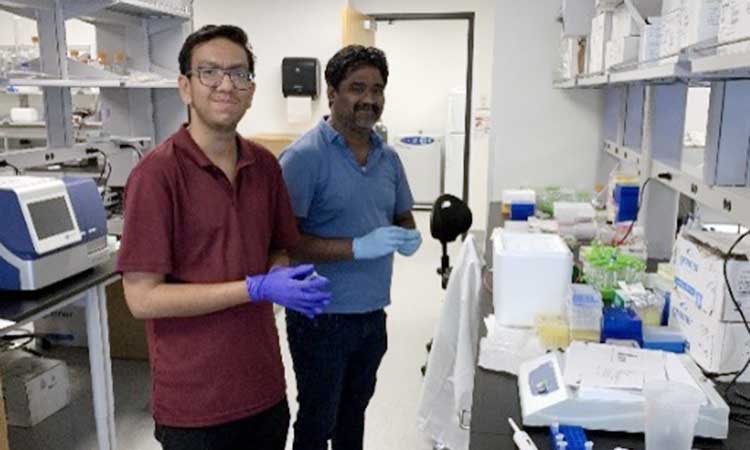
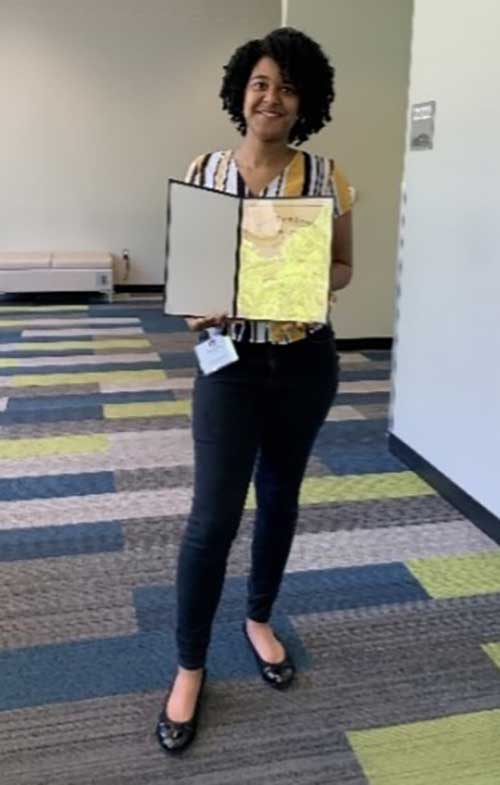
Dr. Sakamuri developed and standardized various bioenergetic assays using Seahorse technology to dissect energy metabolism in primary human brain endothelial cells and brain microvessels and extended them to different cell types and tissues. His work resulted in multiple publications in journals such as JCBFM and Geroscience, and was supported by 2 NIH RO1 grants. He developed bioenergetic assays for collaborators at Tulane University and at other institutions. These studies resulted in preliminary data for various NIH grants, including the funded PO1 grant. The generated data were published in journals like Nature Communications, and several communications are ready for submission/under review.
During his previous postdoctoral training, he was extensively trained and established protocols for various cardiovascular diseases, including atherosclerosis, aortic aneurysms, cardiac hypertrophy, and heart failure. He has investigated for the first time the role of novel proteins TRAF3 Interacting Protein 2 (TRAF3ip2) and Tissue inhibitor of metalloprotease 4 (TIMP4) in the development of cardiovascular diseases and metabolic syndrome, respectively. These resulted in multiple publications in journals like Atherosclerosis, ATVB, Translational Research, and Comprehensive Physiology.
His research career highlights include reporting possible negative consequences of targeting 11β-HSD1, otherwise, a highly promising target to treat all disorders associated with metabolic syndrome, identifying the role of TRAF3ip2 in cardiac hypertrophy and atherosclerosis, reporting a novel function of TIMP4 in lipid digestion and absorption, and unmasking the brain endothelial energy metabolism in aging.
He actively recruits students who have curiosity in how Biochemistry works to prevent human diseases. He is an active researching faculty focused on helping students with advice, writing funds, and preparing papers for publications.
Recently, he secured an NIH-S10 instrumentation grant ($249,818), “Seahorse XFe24 Metabolic Flux Analyzer” to support his research at AUM.
Publications
-
- Sure N., Sakamuri, S. S. V. P.,Orgunati, L., Ageeli, R., Murfee, W.L., Katakam, R.V.G., Paradoxical mitochondrial effects of nitric oxide synthase inhibition following oxygen-glucose deprivation-reoxygenation (OGD/R) in endothelial cells and neurons. Br J Pharmacol. 2026 183(2), 349-363
- Sure, V.N., Oruganti, L., Sakamuri, S.S.V.P., Pasupulati, S.C., Ageeli, R.Y., Chandra, P., Rutkai, I., Wang, X., Lindsey, S.H., Mostany, R., Busija, D.W., Katakam, P.V.G., Sex-dependent differences in bioenergetics of young mouse brain microvasculature: implications for oxygen-glucose deprivation and reoxygenation injury. Am J Physiol Heart Circ Physiol.2026, 330(3), H671-H685.
- Sakamuri, S. S.V.P., Sakamuri, A. Unlocking hypoglycemia–associated brain microvascular dysfunction: critical insights from proteomic analysis. Neural Regeneration Research 2025,20(6), 1707-1708.
- Mirza M. F. Q., Ruth M E., Kejing S., Parul K., Sakamuri, S. V. P., Prasad, V. K., Samir, S. E.-D., Jay, K K., Kyle, J. G., Franck M.-J., Sex-specific regulatory architecture of pancreatic islets from subjects with and without type 2 diabetes. EMBO J. 2024, 6364-6382.
- Sure, V., Sakamuri, S.S.V.P.,Oruganti, L., Chandra, P., Merdzo, I., Lindsey, S., Mostany, R., Busija, D., Katakam, P. Characterization of Sex-Dependent Differences in Brain Microvascular Bioenergetics. Physiol. 2024, 39. S1.2087.
- Kelley, D. P., Albrechet-Souza, L., Cruise, S., Maiya, R., Destouni, A., Sakamuri, S.S.V.P., Duplooy, A., Hibicke, M., Nichols, C., Katakam, P.V.G., Gilpin, N.W., Francis, J., Conditioned place avoidance is associated with a distinct hippocampal phenotype, partly preserved pattern separation, and reduced reactive oxygen species production after stress. Genes, Brain and Behavior 2023, 22(2), e12480.
- Sakamuri, S.S.V.P., Sure, V.N., Wang, X., Bix, G., Fonseca, V.A., Mostany, R., Katakam. P.V.G., Amyloid β (1-42) peptide Impairs Mitochondrial Respiration in Primary Human Brain Microvascular Endothelial Cells: Impact of Dysglycemia and Pre-Senescence. Geoscience 2022 44(6), 2721-2739.
- Liu F., Dai S., Feng, D., Qin, Z., Peng, X., Sakamuri, S.S.V.P., Ren, M., Huang, L., Cheng, M., Mohammad, K.E., Qu, P., Chen, Y., Zhao, C., Zhu, F., Liang, S., Aktas, B.H., Yang, X., Wang, H., Katakam, P.V.G., Busija, D.W., Fischer, T., Datta, P.K., Rappaport, J., Gao, B., Qin, X., Distinct fate, dynamics and niches of renal macrophages of bone marrow or embryonic origins. Nat Commun. 2020, 11(1), 2280.
- Sakamuri, S.S.V.P., Sperling, J.A., Evans, W.R., Dholakia, M.H., Albuck, A.L., Sure, V.N., Satou, R., Mostany, R., Katakam, P.V.G. Nitric oxide synthase inhibitors negatively regulate respiration in isolated rodent cardiac and brain mitochondria. Am J Physiol Heart Circ Physiol. 2020, 318(2), H295-H300.
- Sakamuri, A., Sakamuri, S.S.V.P., Kona, S.R., Jeyapal, S., Ibrahim, A., Diets with low n-6:n-3 PUFA ratio protects rats from fructose-induced dyslipidemia and associated hepatic changes: Comparison between 18:3 n-3 and long-chain n-3 PUFA. Prostaglandins Leukot Essent Fatty Acids. 2020, 155, 102082.
- Sakamuri, S.S.V.P., Sperling, J.A., Sure, V.N., Dholakia, M.H., Peterson, N.R., Mahalingam, P.S., Rutkai, I., Satou, R., Katakam, P.V.G. Measurement of Respiratory Function in Isolated Cardiac Mitochondria using Seahorse XFe24 Analyzer: Applications for Aging Research. Geroscience. 2018, 40(3), 347-356.
- Sakamuri, S.S.V.P., Watts, R., Hernandez‐Anzaldo, S., Takawale, A., Bahitham, W., Fernandez‐Patron, C., Lehner, R., Kassiri. Z. Tissue Inhibitor of Metalloproteinase-4 (TIMP4) is a critical modulator of adipose tissue and lipid homeostasis through regulation of fat absorption. Scientific Reports 2017, 7(1):6210.

Emma Si
Lecturer
B.S. (2001) Chemistry, Shandong Normal University, China
Ph.D. (2011) Analytical/Environmental Chemistry, McGill University, Canada
Postdoctoral (2011-2012) University of Western Ontario, Canada
Postdoctoral (2013-2015) McGill University, Canada
Office: Science and Technology Complex, 1084
Phone: 334-244-3334
Email: [email protected]
Dr. Emma Si’s research interests include (i) understanding the photochemistry of inorganic mercury with selected organic molecules; (ii) developing analytical methods for chemical speciation of toxic metals in aquatic environment; and (iii) developing novel remediation techniques for air and water pollution. She is actively involved in mentoring undergraduate research students at AUM, and their results have been presented at various international and national conferences.
The interdisciplinary nature of her research has allowed her to develop expertise in physical chemistry, biology, and earth sciences. The long-term goals of her research are to understand biogeochemical processes and to develop analytical methods for the prediction, remediation, and prevention of metal contamination in the environment. She is currently doing research in the following four directions. The objectives of this research project are (i) to measure the reaction rate constants for the chemical reduction of Hg(II) by selected well-characterized humic substances at near environmental conditions; (ii) to study the effects of some important environmental variables on the reaction rates; (iii) to determine the reaction product formed after the reduction reaction of oxidized mercury by selected humic substances using various instrumental methods; and (iv) to propose the reaction mechanism on this reaction pathway.
Her undergraduate students have been involved in this research project focused on studying the effect of pH on the reduction of Hg(II) by semiquinones and quinones, investigating the photochemical reaction of Hg(II) with quinones. The research results have been presented at the AUM UGR symposium, the Auburn Research Symposia, and the ACS Conference.
Publications
- Roe, A.L., Krzykwa, J., Calderón, A.I., Bascoul, C., Gurley, B.J., Koturbash, I., Li, A.P., Liu, Y., Mitchell, C.A., Oketch-Rabah, H., Si, L., Breemen, R.B.V., Walker, H., Ferguson, S.S. Developing a Screening Strategy to Identify Hepatotoxicity and Drug Interaction Potential of Botanicals, Journal of Dietary Supplements, 2025, 22, 162-192.
- Si, L.; Branfireun, B.A.; Fierro, J.*, Chemical Oxidation and Reduction Pathways of Mercury Relevant to Natural Waters: A Review, Water, 2022, 14, 1891.
- Si, L., Ariya, P.A. Recent Advances in Atmospheric Chemistry of Mercury. Atmosphere 2018, 9, 76.
- Si, L., Ariya, P.A. Photochemical Reactions of Divalent Mercury with Thioglycolic Acid: Possible Formation of Mercuric Sulfide Particles. Chemosphere 2015, 119, 467-472.
- Si, L., Ariya, P.A. Aqueous Photoreduction of Oxidized Mercury Species by Selected Alkanethiols, Chemosphere 2011, 84, 1079-1084.
- Lin Si, L., Ariya, P.A. Reduction of Oxidized Mercury Species by Dicarboxylic Acids (C2–C4): Kinetic and Product Studies. Environmental Science & Technology 2008, 42, 5150-5155.
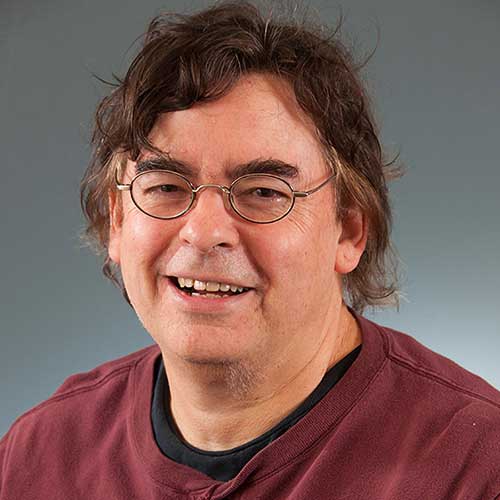
Nick Thomas
Professor
B.S. (1978) Chemistry/Biochemistry, Monash University, Australia
Ph.D. (1983) Chemistry, Monash University, Australia
Postdoctoral (1983-1985) University of Chicago
Office: Science and Technology Complex, 1064
Phone: 334-244-3327
Email: [email protected]
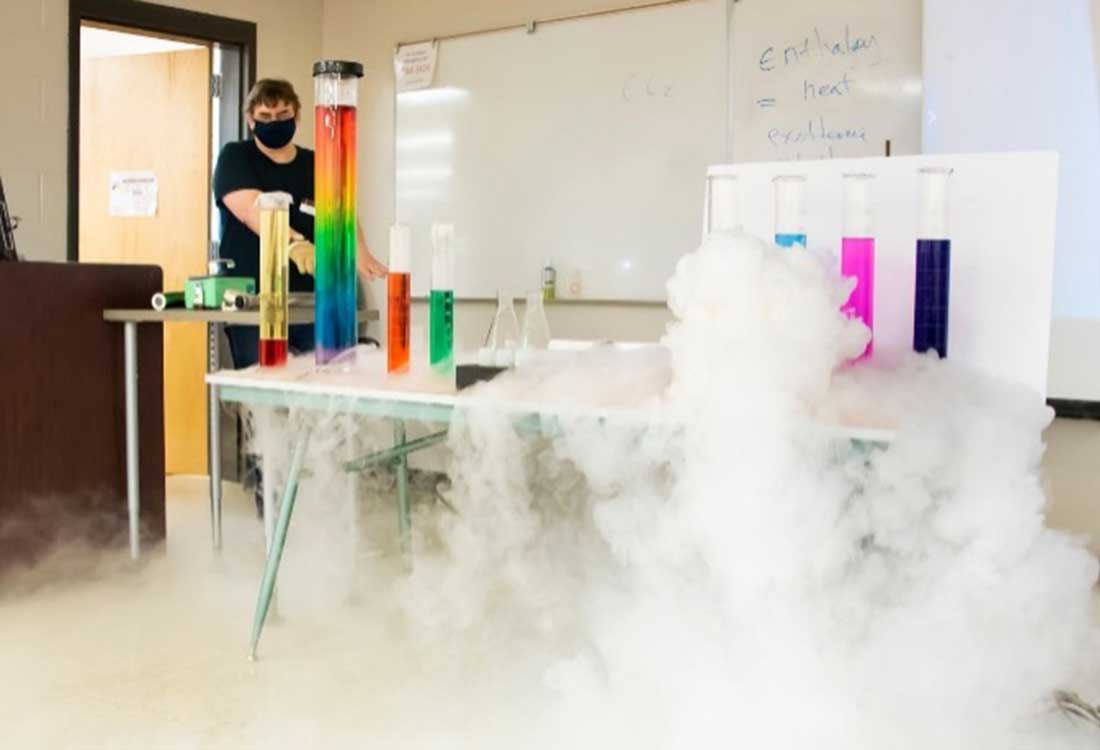 Dr. Nick Thomas is a Professor of Chemistry at AUM and was selected as Distinguished Teaching Professor 2006-2009. His primary areas of research have been coordination chemistry of transition metals, including lanthanide (rare-earth) elements, and chemical education. He has written encyclopedia entries and numerous feature articles on a variety of general interest topics for newspapers and magazines around the country.
Publications
- Arnold, S., John Bacsa, J., Jelsch, C., Thomas, N.C. Synthesis, Crystal Structure, Spectral Properties, and Charge Density Analysis of 4-Coordinate Bis[1-(4-N,Ndimethylaminophenyl)-1,3-butadionato-O,O’]copper(II). Chim. Acta. 2025, 587, 122824.
- Junk, P.C., John Bacsa, J., Thomas, N.C. Growing a Display Crystal of Recycled Potassium Tris(oxalato)ferrate(III) Trihydrate. Journal of Chemical Education, 2021, 98, 3400-3404.
- Thomas, N.C., Beaumont, O.A., Deacon, B.B., Gaertner, C., Forsyth, C.M., Somers, A.E., Junk. P.C Preparation and Structures of Rare Earth 3-Benzoylpropanoates and 3-Phenylpropanoates.Australian Journal of Chemistry 2020, 73, 1250-1259S.
- Deacon, G.B., Kepert, C.M., Sahely, N., Skelton, B.W., Spiccia, L., Thomas, N.C., White. A.H. Synthesis and structures of photodecarbonylated ruthenium(II) complexes-potential intermediates for mixed ligand complexes. Journal of the Chemical Society Dalton Transactions, 1999, 275-277.
- Anderson, P.A., Deacon, G.B., Haarmann, K.H., Keene, F.R., Meyer, T.J., A.Reitsma,B.W.Skelton, G.F.Strouse, N.C.Thomas, J.A.Treadway, and A.H.White. Designed synthesis of mononuclear tris(heteroleptic) ruthenium complexes containing bidentate polypyridyl ligands. Inorganic Chemistry, 1995, 34, 6145.