AUM researcher explores Alabama Black Belt microorganisms for improved leukemia treatments
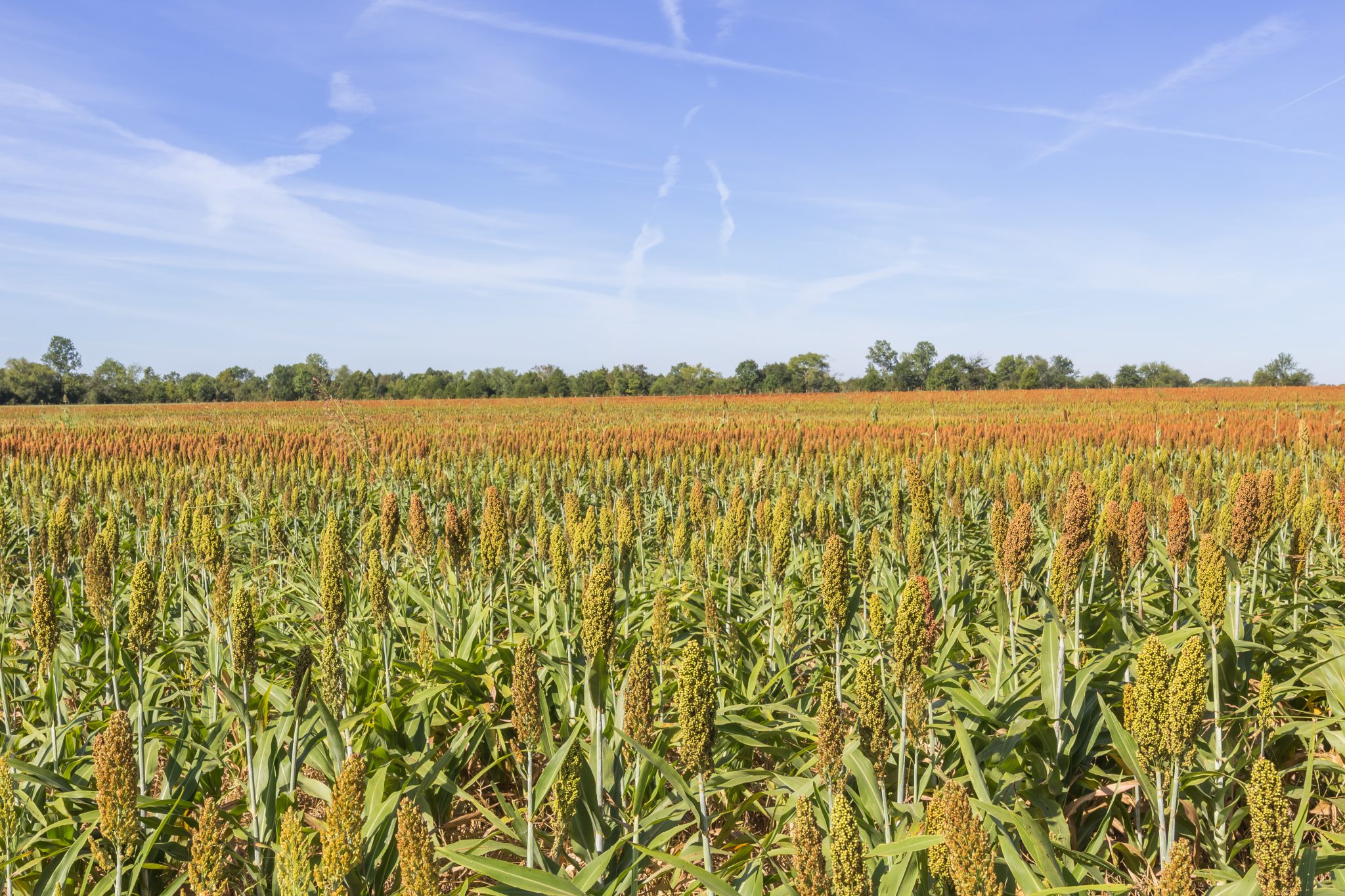
Could microorganisms hidden beneath Alabama’s Black Belt soil help scientists develop better treatments for leukemia?
Auburn University at Montgomery researcher Benedict Okeke is leading a study that could determine if the answer lies in the region’s rich and biologically diverse landscape.
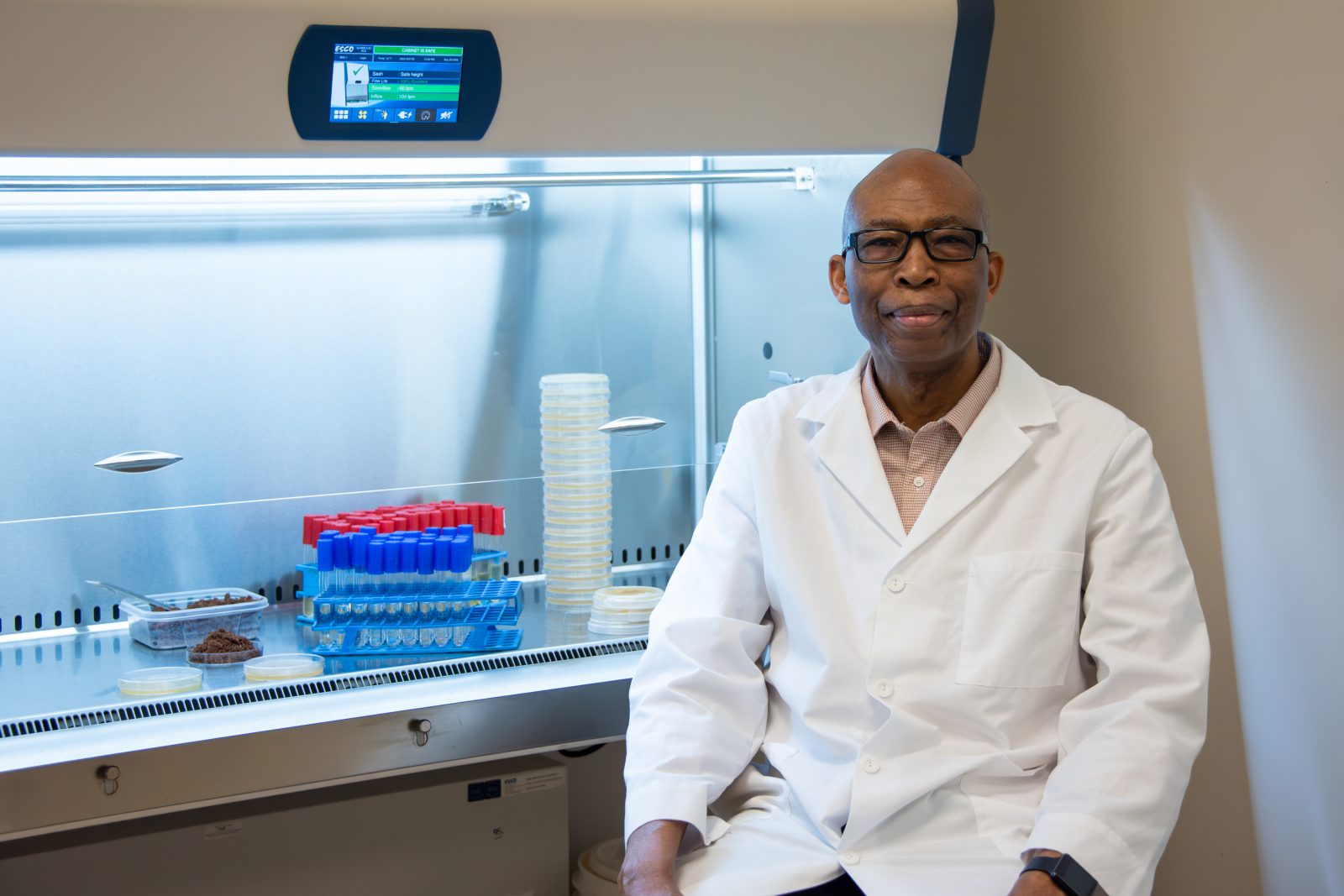 Okeke, Distinguished Research Professor of Industrial Microbiology in AUM’s College of Sciences, has received a $403,640 National Institutes of Health R15 Research Grant to study naturally occurring microorganisms from the Alabama Black Belt that may hold promise for treating acute lymphoblastic leukemia (ALL), a type of blood cancer, while also improving food safety.
The three-year award supports his research into microbial L-asparaginases — enzymes already used in leukemia treatment and food processing — with the goal of identifying enhanced versions that offer greater effectiveness and broader applications.
“This project focuses on producing an enhanced L-asparaginase with both pharmaceutical and industrial applications,” Okeke said. “I hope that this study will contribute to improved treatments for acute lymphoblastic leukemia while also supporting broader biotechnology innovation.”
The project, titled “Expression of High-Activity and High-Specificity Microbial L-Asparaginases from Naturally Occurring Microorganisms in the Alabama Black Belt,” builds on Okeke’s longstanding interest in discovering valuable biological compounds from unique environmental ecosystems.
An enzyme with lifesaving potential
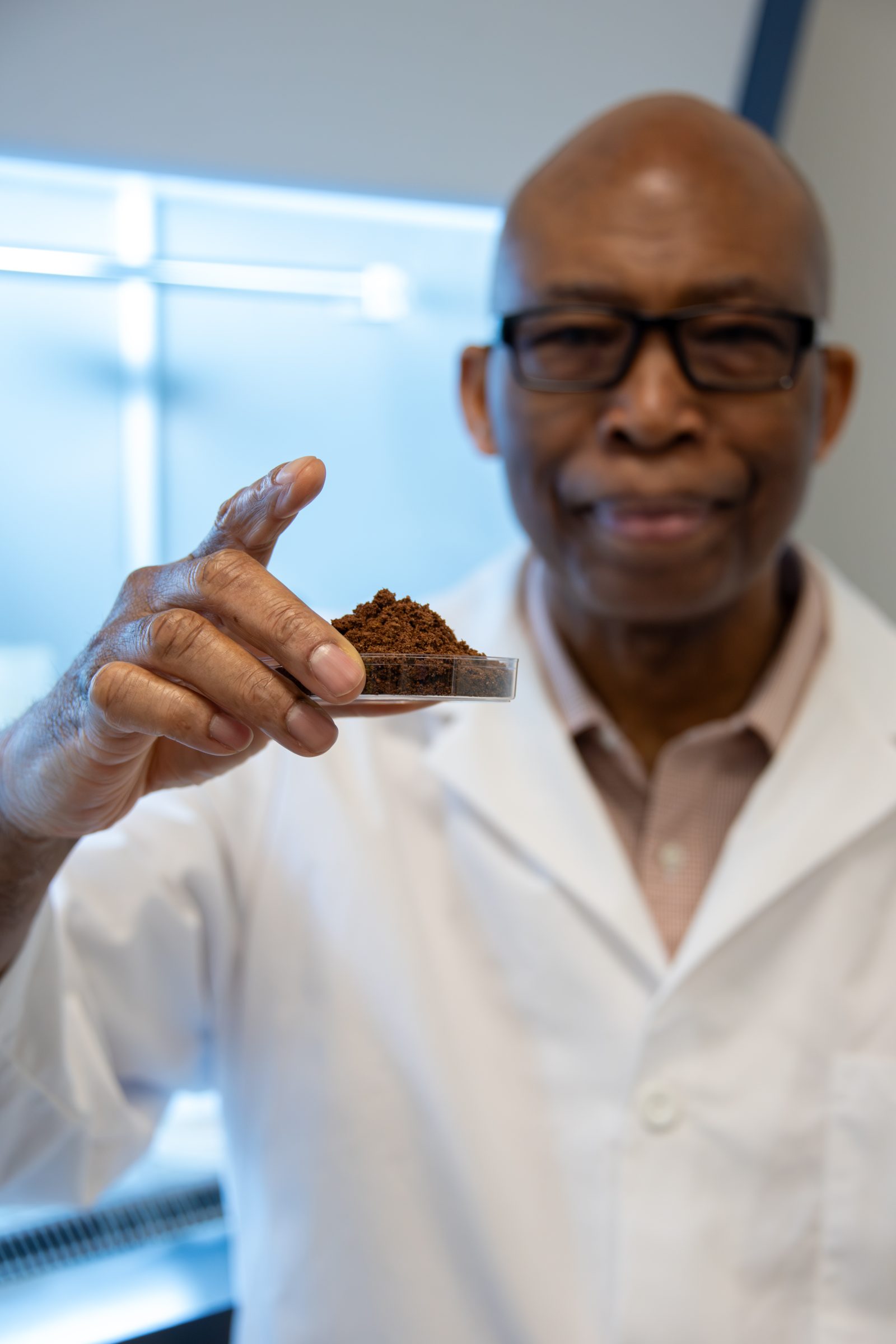
Okeke’s work begins in an unexpected place: the soil of the Alabama Black Belt.
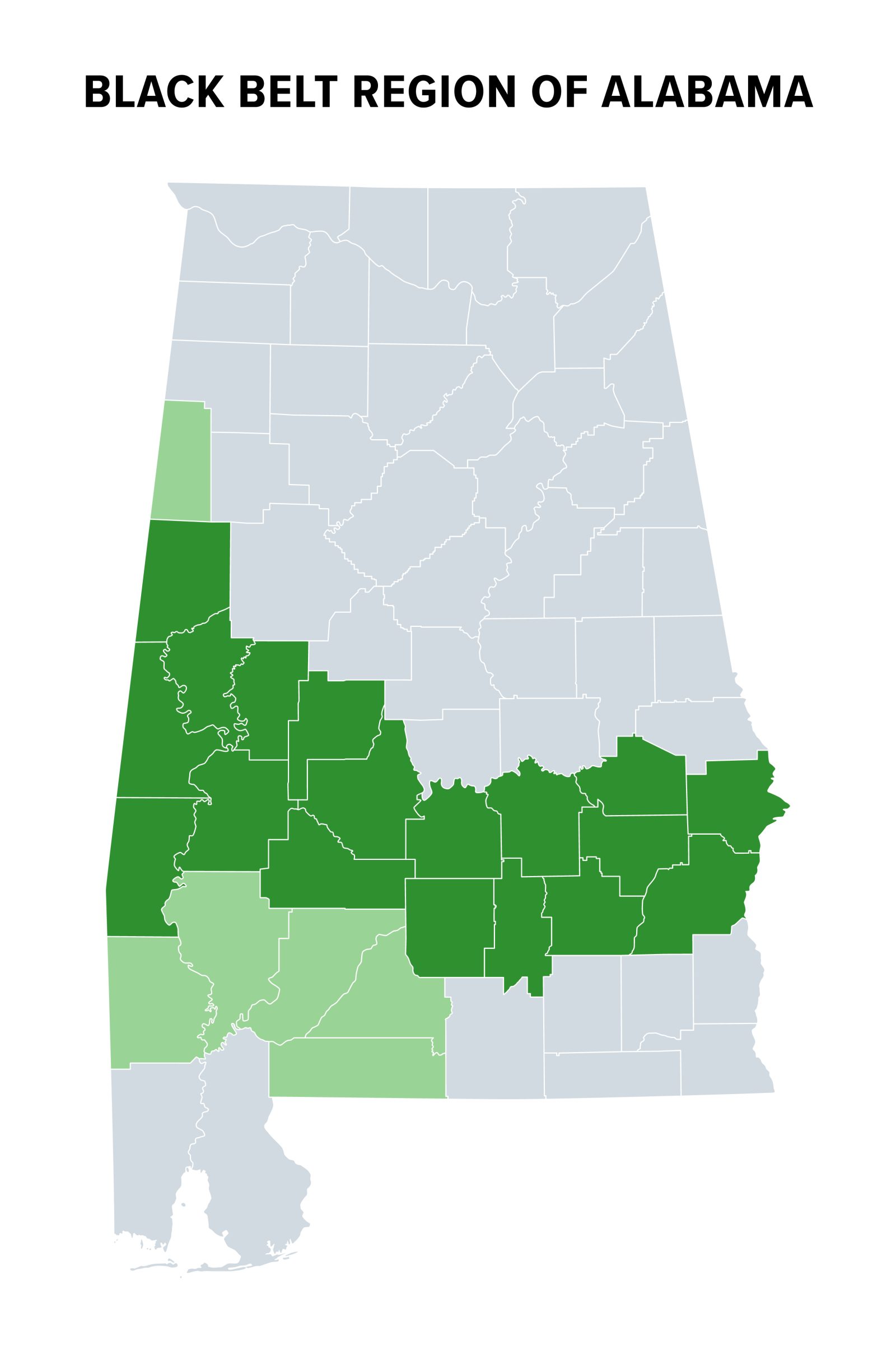 Scientists have long recognized that unique environments can harbor microorganisms with unusual biological properties. For Okeke, the Black Belt’s rich, fertile soil presents an opportunity for “bioprospecting,” the search for naturally occurring organisms capable of producing medically and industrially valuable compounds.
“The Alabama Black Belt’s distinctive soil environment may harbor microorganisms with biological properties that have yet to be explored and could lead to new discoveries with medical and industrial applications,” Okeke said.
One such discovery has helped shape Okeke’s NIH-funded research. He became especially interested in the region after identifying L-asparaginase genes in a unique strain of Trichoderma fungus, known as SG2, that was isolated from soil and decaying biomass near Union Springs, Alabama. The finding was an important clue that Alabama Black Belt soil may harbor other microorganisms capable of producing improved versions of the enzyme.
Because L-asparaginase is already used to treat acute lymphoblastic leukemia, a cancer that affects white blood cells and is among the most common childhood leukemias, Okeke believes discovering enhanced forms of the enzyme could lead to more effective treatments while also improving food safety.
Current medical treatments for ALL use L-asparaginase to target L-asparagine, a naturally occurring amino acid that certain leukemia cells depend on for survival.
“While most healthy human cells can produce the amino acid L-asparagine on their own, ALL cells often cannot,” Okeke said. “Instead, they rely on circulating supplies of the nutrient to survive.”
L-asparaginase works by breaking down L-asparagine in the bloodstream. By removing that critical nutrient, the enzyme effectively starves leukemia cells of a resource they need to grow.
While this treatment approach has proven effective, researchers continue to search for ways to improve the enzyme’s performance while reducing side effects for patients.
Building a better enzyme
A major focus of Okeke’s study is identifying what researchers call “high-activity” and “high-specificity” enzymes, versions of L-asparaginase that may work more effectively while reducing unwanted side effects.
Current forms of the enzyme used in leukemia treatment can sometimes trigger immune-related complications or contain impurities that contribute to side effects. Okeke hopes to identify enhanced microbial versions that require lower doses and offer improved compatibility for patients.
“A high-activity L-asparaginase could potentially be used at lower doses to reduce side effects,” he said. “We are especially interested in selecting and producing enhanced L-asparaginases without impurities that can contribute to unwanted side effects.”
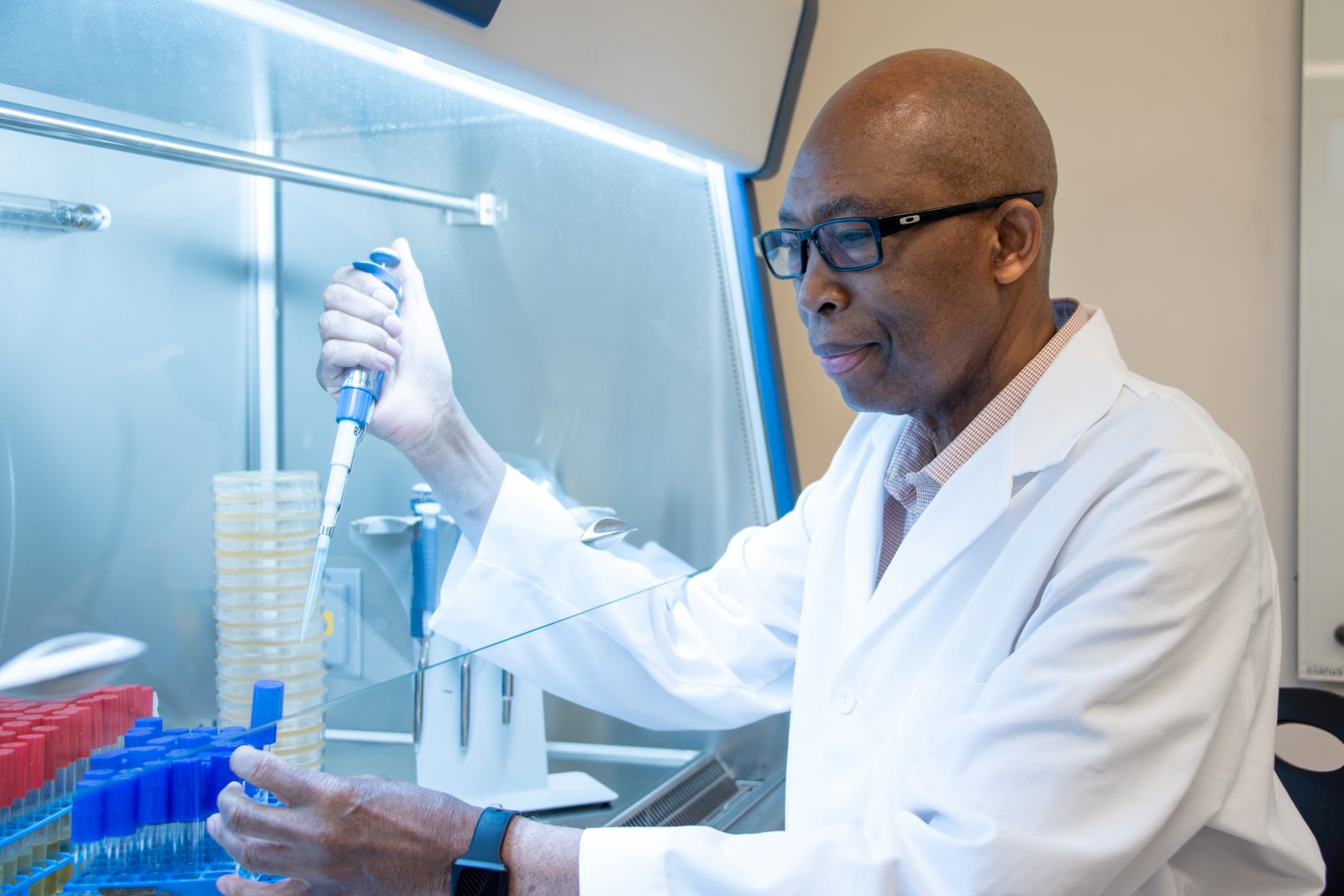 To identify promising L-asparaginase-producing microorganisms, Okeke screens Black Belt soil samples on specialized “growth media” — nutrient preparations used in laboratories to cultivate microorganisms — designed to reveal enzyme-producing microbes through visible color changes. Selected organisms are then cultured, genetically analyzed and studied using recombinant DNA technology to enhance enzyme activity and purity.
“This research differs from many traditional approaches because we’re focusing on eukaryotic microorganisms — microbes whose cells contain a nucleus similar to those found in animals, plants and fungi — which may be more biologically compatible with humans than some currently used bacterial sources,” he said.
Beyond its potential medical applications, L-asparaginase could also improve food safety.
Because L-asparaginase breaks down L-asparagine before foods are processed at high temperatures, it can help reduce the formation of acrylamide, a potentially harmful chemical compound that can develop when amino acids and sugars react during cooking.
“Acrylamide has been linked to potential carcinogenic and neurotoxic effects,” Okeke said. “By reducing its formation during food processing, L-asparaginase may help make certain foods safer while expanding the enzyme’s industrial value.”
Acrylamide can form in carbohydrate-rich foods such as potato chips, French fries, cookies and toasted breads when they are cooked at high temperatures.
“The dual pharmaceutical and industrial applications make the enzyme especially valuable for biotechnology research,” he said.
Strengthening research in the Black Belt and beyond
Okeke hopes his study will ultimately help position both AUM and the Alabama Black Belt region as contributors to biotechnology and biomedical innovation and exploration.
“It could stimulate more research in bioprospecting for novel microorganisms that produce natural products such as enzymes and antibiotics from Alabama Black Belt soil environments,” he said.
 For Okeke, his study also has a broader impact that extends beyond the laboratory itself.
The NIH-funded project represents a significant investment in undergraduate research and scientific training at AUM. Students working on the project will gain hands-on experience in microbiology, biochemistry, molecular biology and biotechnology while participating directly in federally funded biomedical research.
“Winning a competitive and meritorious research grant that supports student training in cutting-edge research is fulfilling,” Okeke said. “I see this as a great opportunity to encourage undergraduate participation in research while building research capacity at AUM.”
Over the next several years, Okeke plans to share his findings through scientific conferences, undergraduate research presentations and partnerships with researchers both within and beyond the university.
Douglas Leaman, dean of AUM’s College of Sciences, said the award reflects both the quality of research being conducted at AUM and the university’s continued growth as a research institution.
“This grant is yet another example of the progress AUM is making toward positioning itself as an emerging research entity in the River Region and beyond,” Leaman said. “I thank [Dr. Okeke] for his exemplary work and long-standing dedication to biomedical research at AUM. Students who work in his research group receive excellent training that leads directly to important, high-demand careers — exactly the types of opportunities we are here to provide.”